
Specialties
The Trips We Design Best
These are the destinations and styles of travel we know firsthand: where we’ve stayed in the rooms, met the guides, and learned what actually makes the difference between a good trip and one you never stop talking about.
Where We Specialize
Depth in a Few Places Beats a Catalog of Everywhere
Anyone can book a destination. What changes the trip is knowing which camp sits on the right traverse, which ship can actually enter the harbor, which island is worth four nights and which is worth one, and which month makes all of it work.
Below are the specialties we return to most often. Each one is a starting point; detailed guides to what these journeys look like are on the way. If you don’t see your destination here, ask anyway; our planning process works the same way everywhere.
On the Water
River Cruising
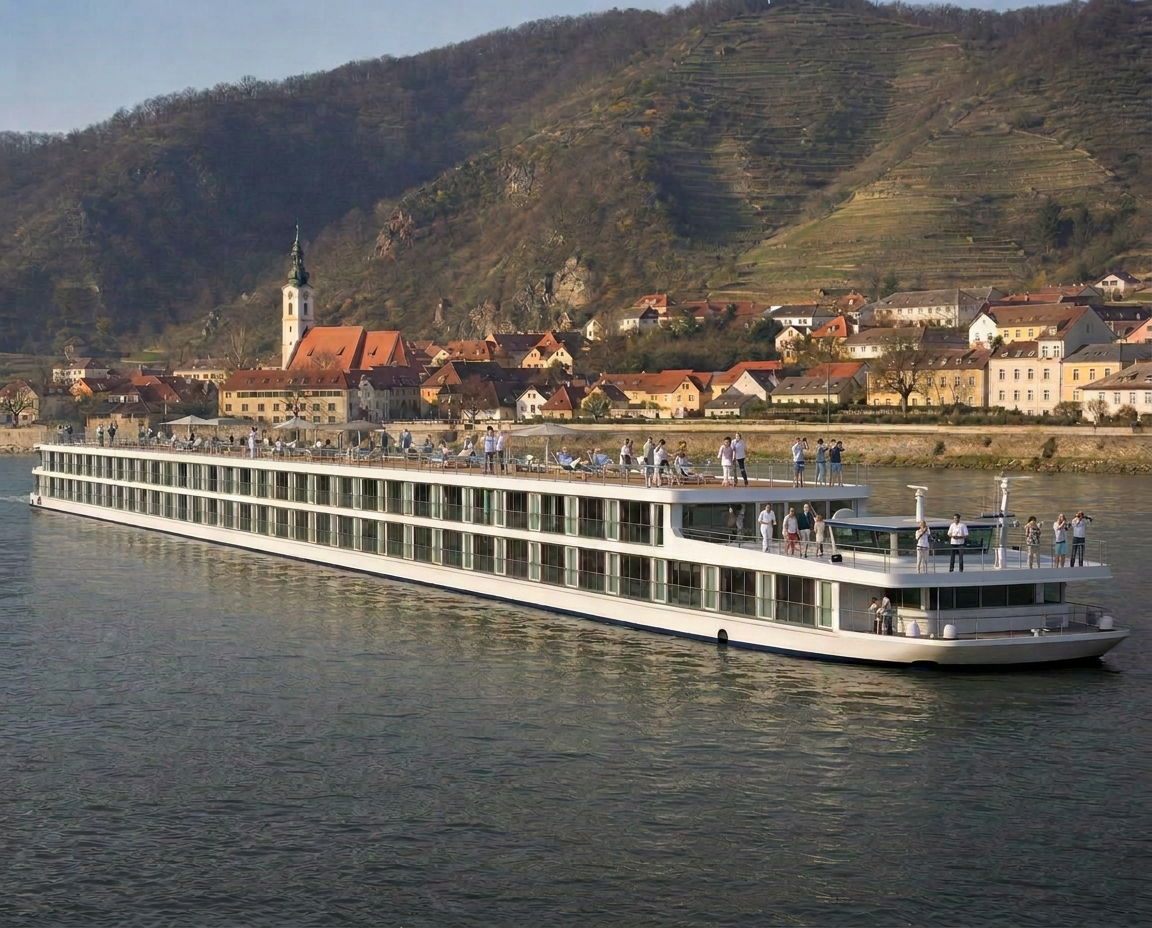
Rivers put you inside a place rather than alongside it. You wake docked in the middle of a town, walk off after breakfast into a temple complex or a morning market, and are back aboard for lunch without ever repacking a bag. The Nile, the Danube, the Douro, the Amazon and the waterways of Southeast Asia each reward a different kind of traveler, and the ship you choose matters more than most people expect; vessel size determines which moorings you can use, how private your guiding is, and how quickly you actually get ashore. We match the river, the season, and the ship to the pace you want, then build the land days on either end that turn a cruise into a full journey.
On the Water
Small Ship, Yacht & Ocean Cruising
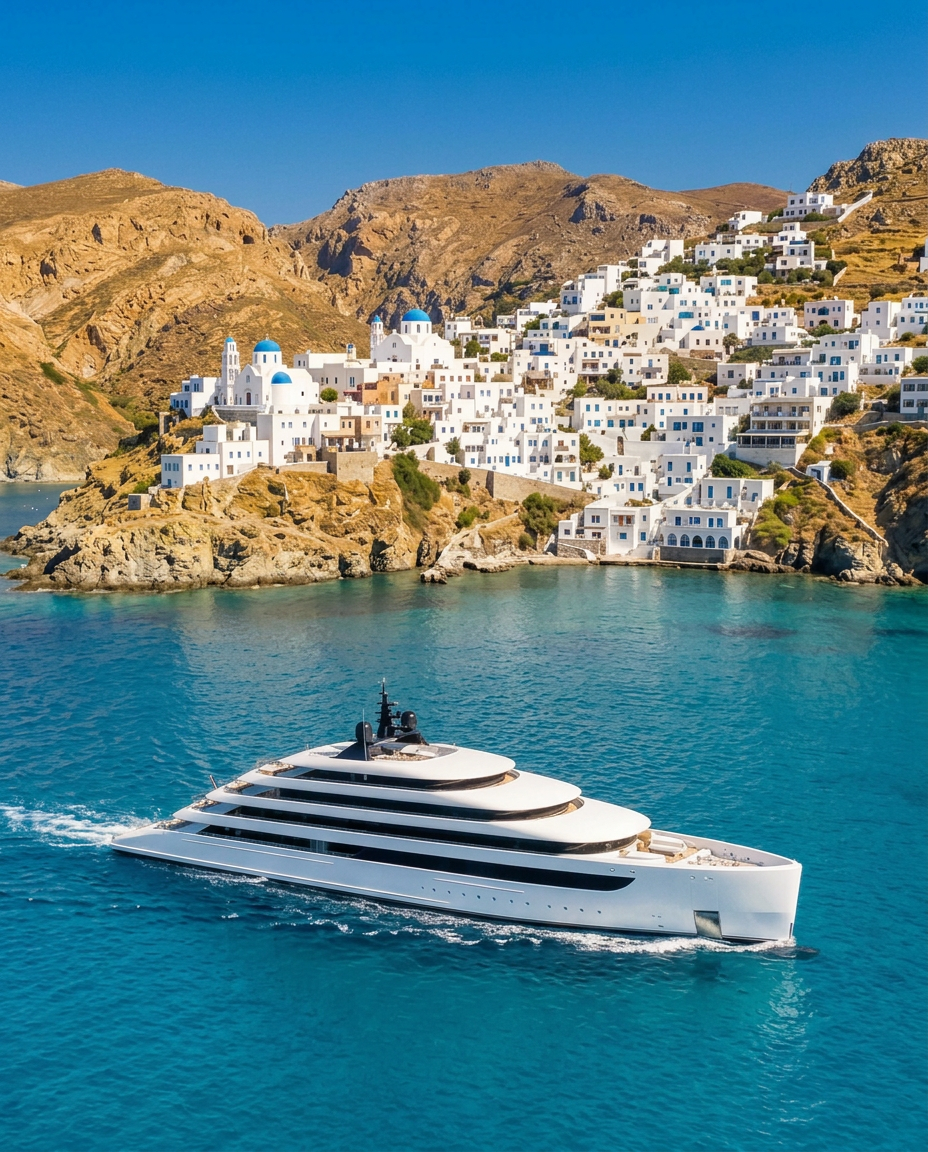
This is cruising for people who have never wanted to cruise. With a few dozen to a few hundred guests instead of several thousand, the ship becomes the quiet part of the trip: near one-to-one crew ratios, dining that doesn't require a reservation strategy, and harbors the large ships simply cannot enter. Anchor off a Greek island the tenders reach in ten minutes. Swim off the back of the boat before dinner. Use the kayaks and the water toys because there's no line for them. Whether it's a private yacht charter for your own group or a suite aboard one of the new luxury small ships, the appeal is the same: you see more coastline and negotiate far less of it.
On the Water
Expedition Cruising
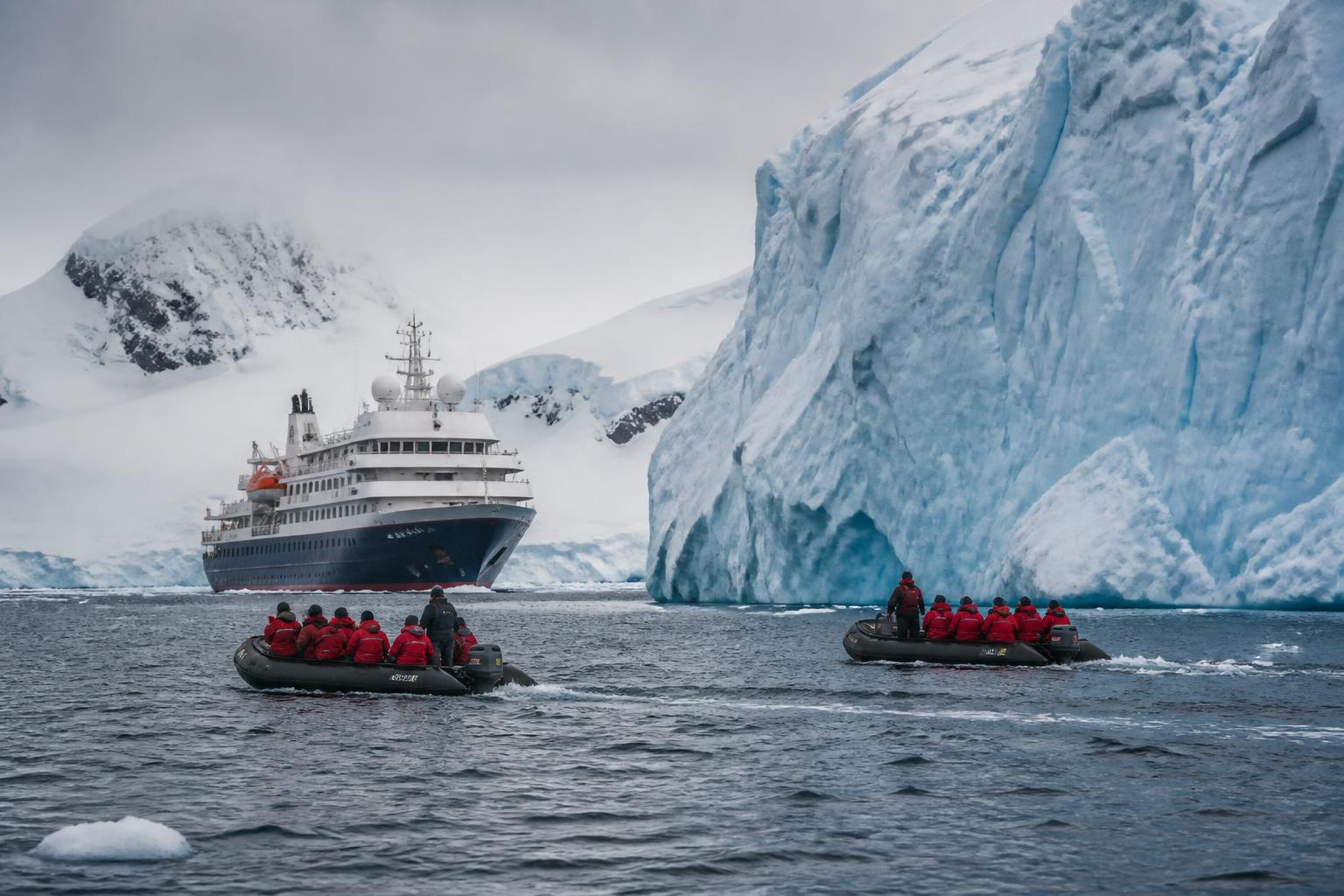
Antarctica, the Arctic, the Galápagos, Greenland, remote Pacific atolls: places where the itinerary is written by ice, weather, and wildlife rather than a port schedule. Purpose-built expedition ships carry naturalists, ice pilots, and a fleet of Zodiacs, so the day is measured in landings rather than sea miles: penguin colonies at eye level, a whale surfacing beside the boat, a kayak paddle through blue ice. There are meaningful choices to make here: sailing the Drake Passage versus flying over it, peak wildlife windows, ship ice class, and how much of the day is actually spent off the ship. We make those decisions with you before deposits are due, because on expedition itineraries they are difficult to undo.
By Land
African Safaris
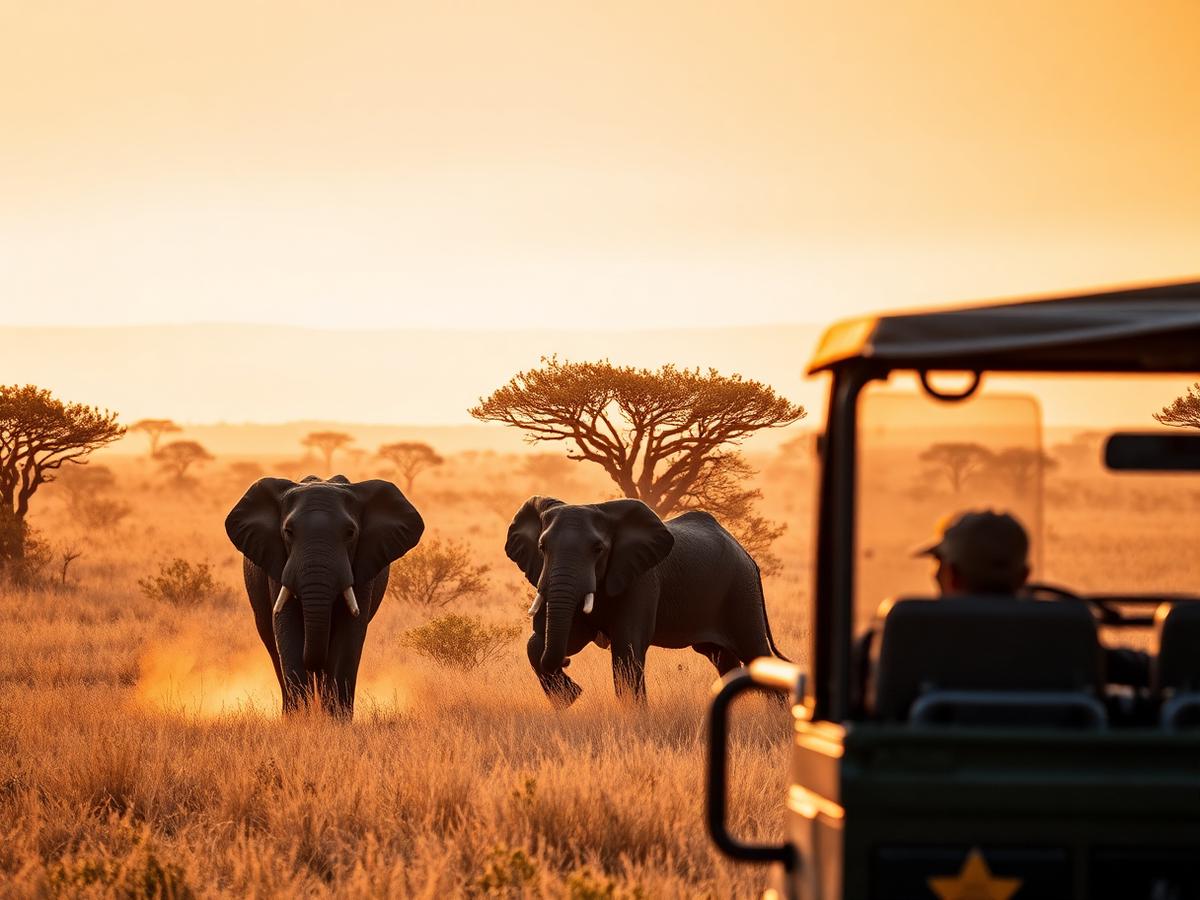
A safari is the trip people talk about for the rest of their lives, and it is also the trip most easily gotten wrong. Camp location determines what you see. Guide quality determines whether you understand it. Private conservancies allow night drives, off-road tracking, and walking safaris that national parks do not. Timing dictates whether you are standing at a Mara River crossing during the Great Migration or arriving two weeks late. We design across Kenya, Tanzania, Botswana, South Africa, Zambia, Rwanda, and Namibia, with tented camps and lodges chosen for their traverse rather than their brochure, gorilla permits secured early, and the pacing worked out so that the flights between camps don't eat the game drives. Beach or wine-country extensions land at the end, when everyone is ready to stop early.
Asia Pacific
Australia
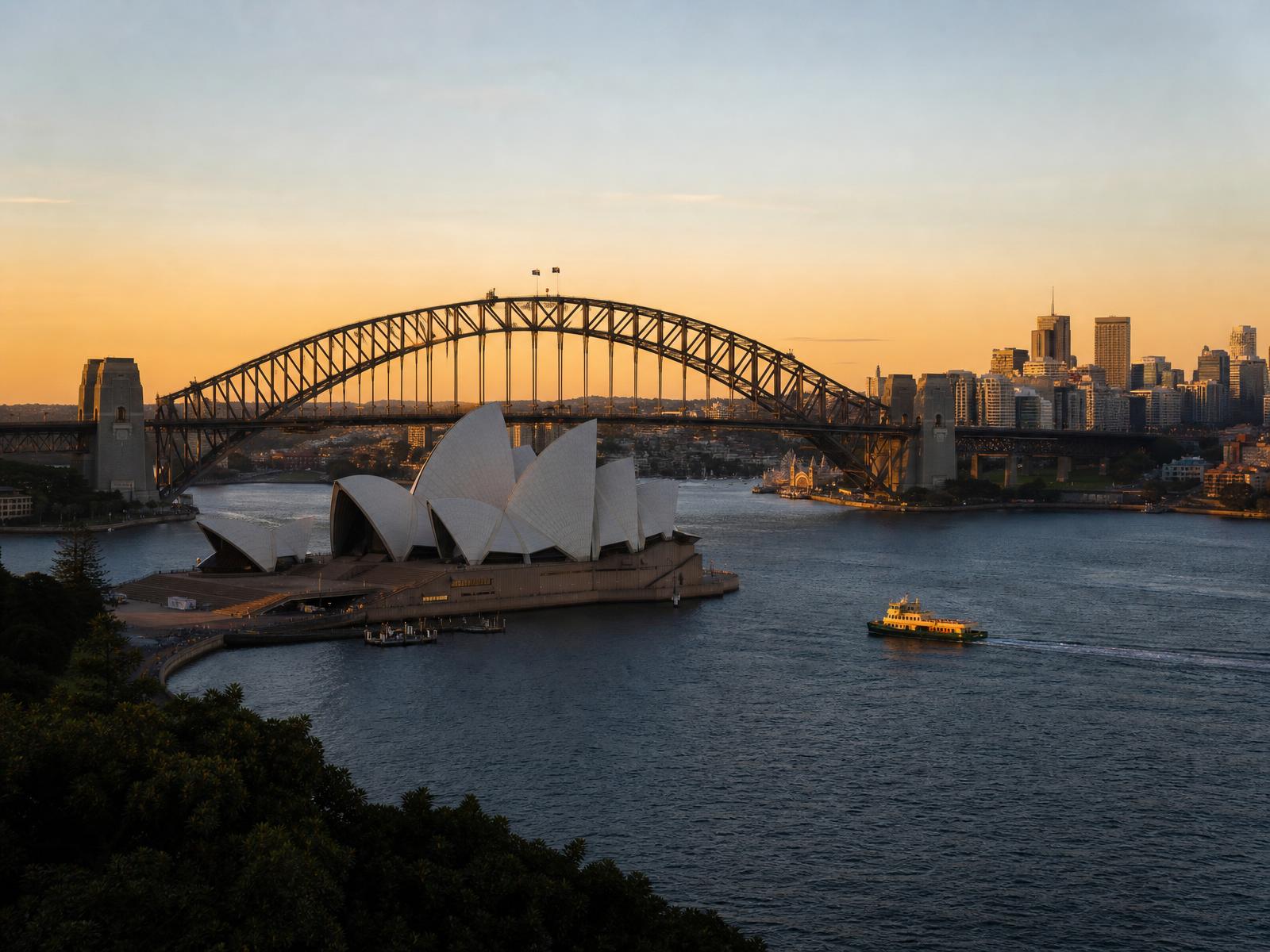
Australia is a continent, and the most common mistake is treating it like a country you can cover in ten days. Done well, it is a sequence of distinct worlds: Sydney's harbor and the coastal restaurants, the Great Barrier Reef from a small boat rather than a crowded catamaran, Uluru at sunrise with an Aboriginal guide whose family has read that country for generations, the wildlife of Kangaroo Island, the food and wine of the Barossa and Margaret River, and Tasmania's coastline for travelers who want the wild version. We build itineraries with internal flights and rest days accounted for, so the scale of the place becomes part of the experience instead of the reason everyone comes home tired.
Asia Pacific
New Zealand
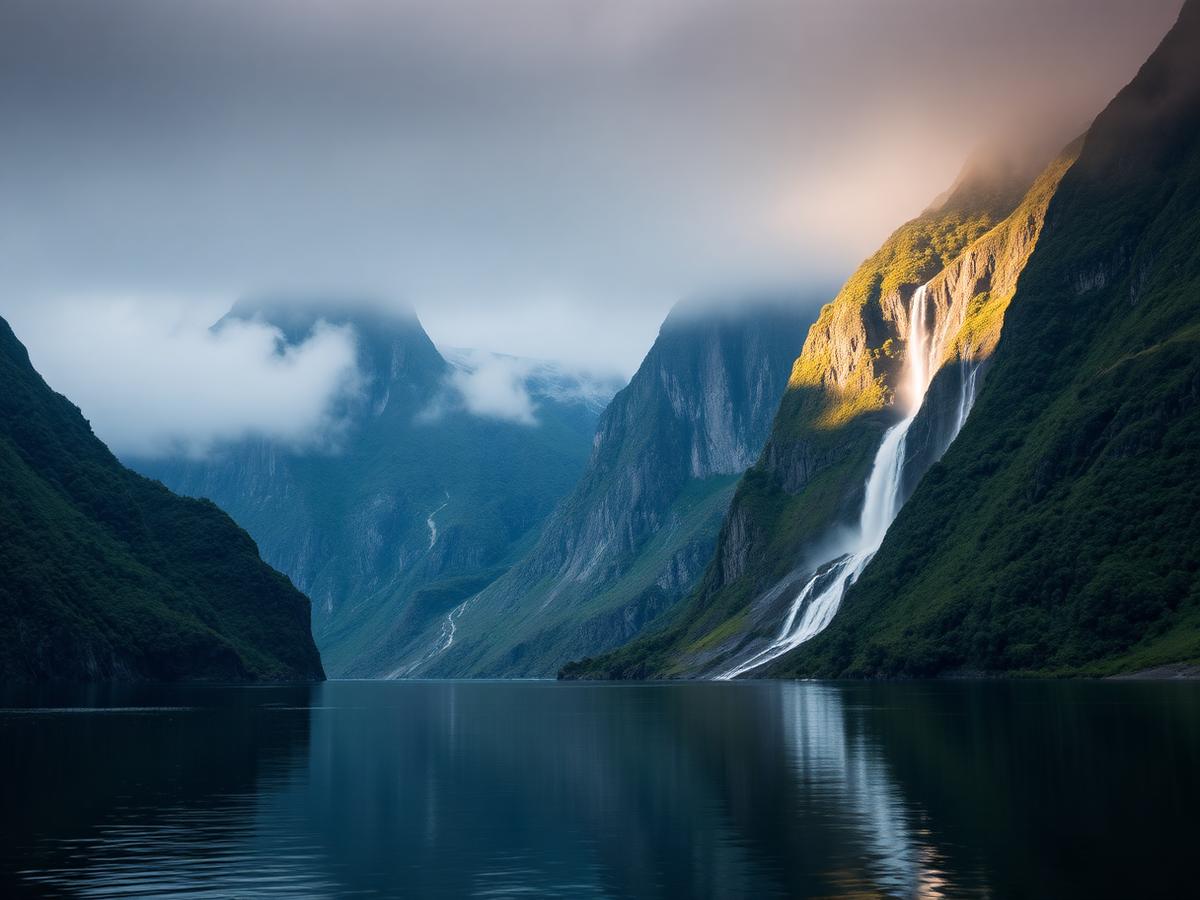
Two islands, an absurd concentration of landscape, and a lodge culture that rivals anywhere in the world. The South Island delivers the drama: Milford Sound and the fiords, glaciers, Aoraki, the Central Otago wine country around Queenstown, whales off Kaikoura, while the North Island brings Māori cultural experiences, the geothermal country around Rotorua, and Hawke's Bay. The country rewards a slower route: fewer stops, longer stays, a helicopter transfer where the drive would cost you a day. Whether your version involves heli-hiking and jet boats or a lodge, a fire, and a very good bottle of Pinot Noir, the design question is the same: how much ground, at what pace, in which season.
Europe
Italy
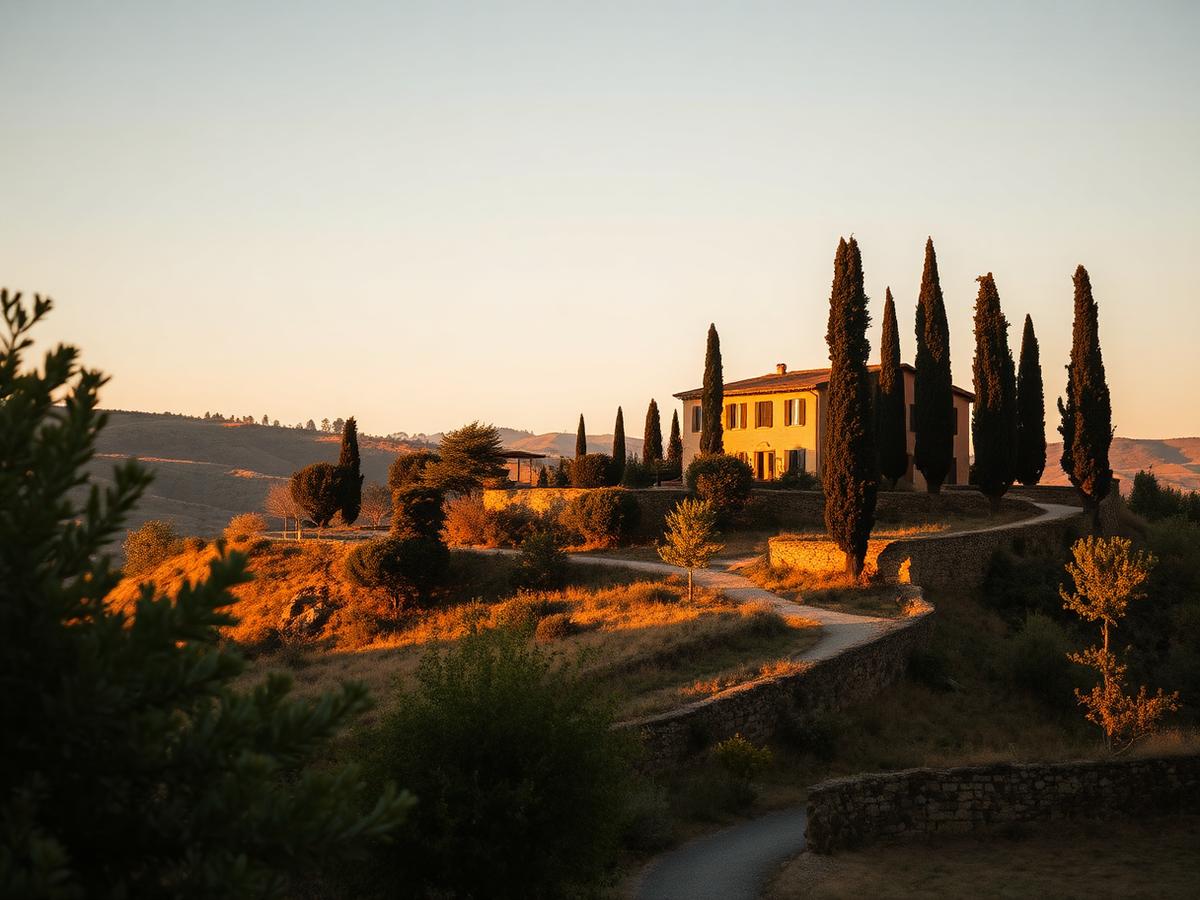
Everyone goes to Italy. Very few people go to Italy well. The difference is rarely the destination list; it's the guide who gets you into the Vatican before it opens, the vintner in Barolo who pours in his own cellar, the pasta lesson in a home kitchen in Puglia rather than a demonstration hall, and the decision to give the Amalfi Coast four nights instead of two. We build around Rome, Florence, Venice, Tuscany, the Lakes, Sicily, Puglia, and the Dolomites, with private drivers between them so the transitions are part of the trip. If it's a milestone anniversary or a first trip you have been imagining for twenty years, we design the days around the moments you'll actually remember and quietly handle everything between them.
Europe
Greece
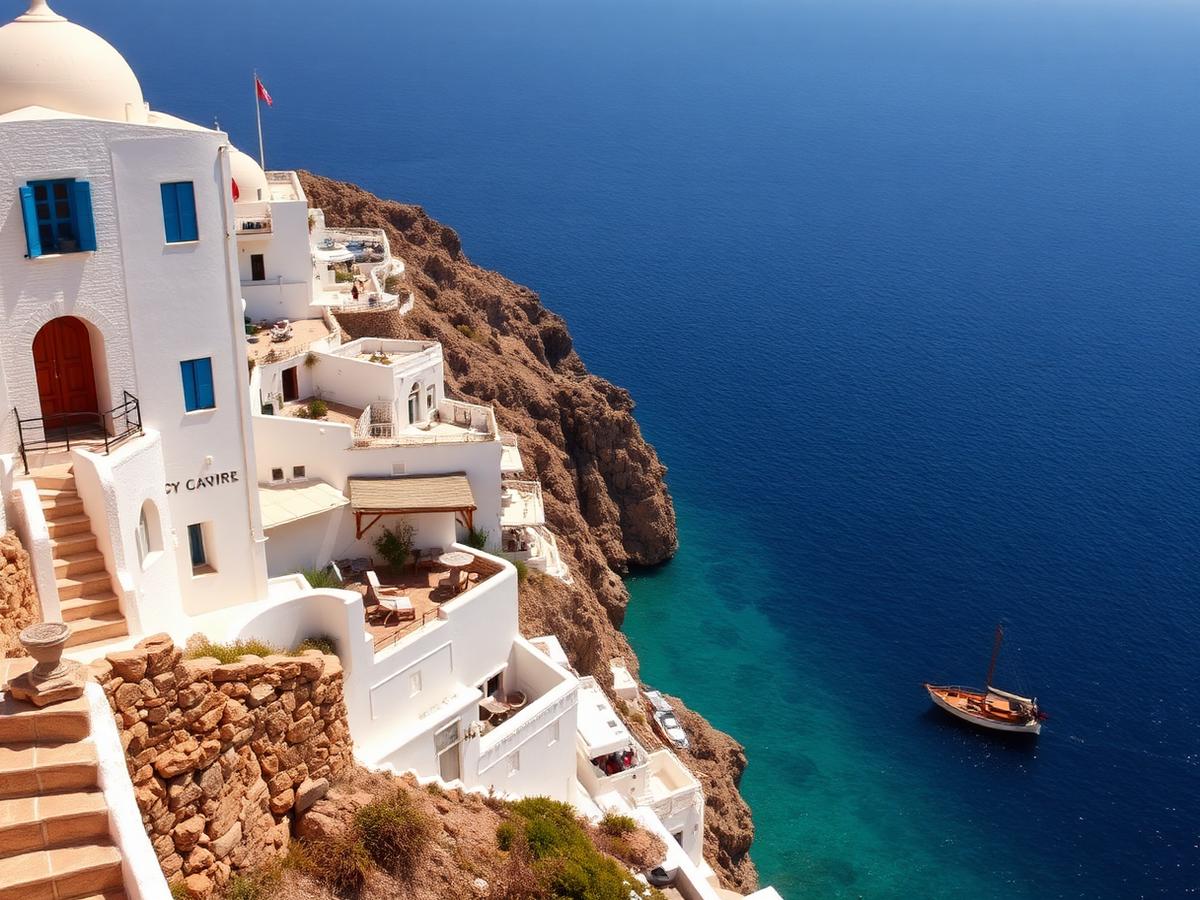
Greece is not one trip, it's a choice among several. Athens and the classical sites with a guide who is an archaeologist rather than a reciter of dates. The cinematic islands, Santorini and Mykonos, are timed and staged so you see them at their best rather than at their most crowded. Or the version we more often recommend: Milos, Naxos, Paros, Folegandros, the Peloponnese, and the Ionian, where the tavernas are still family-run and the beaches don't require a reservation. A private yacht or catamaran turns island-hopping from a ferry-schedule problem into the best part of the week. We sequence the islands by sailing time, wind season, and how much energy you actually want each day.
Europe
Iceland
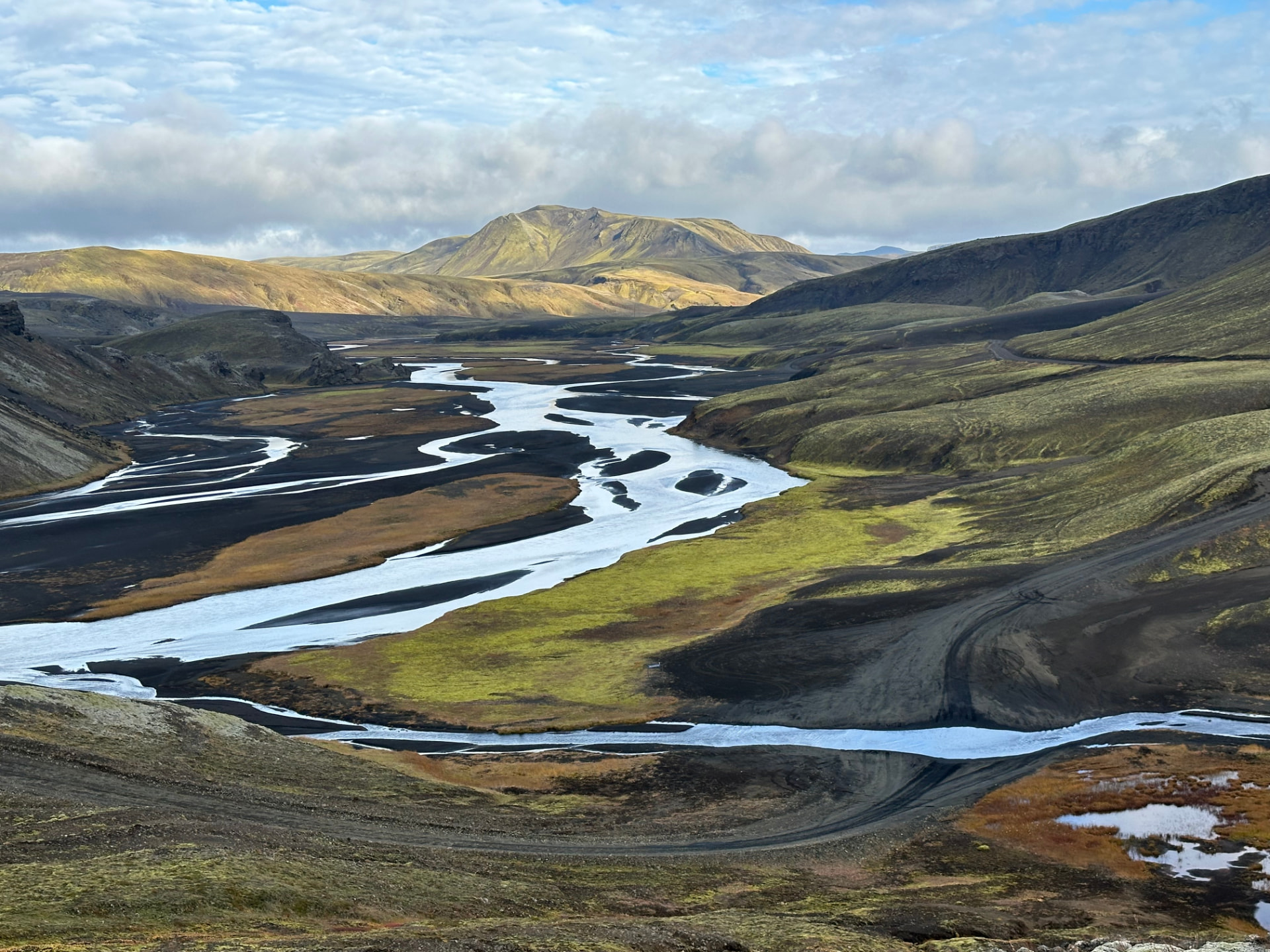
Iceland packs an outsized amount of drama into a small country: waterfalls, black sand beaches, glacier tongues, lava fields, geothermal rivers, and a coastline that changes character every hour of driving. Summer buys you daylight that never really ends, puffins, highland access, and long active days. Winter buys you the Northern Lights, ice caves, and a country largely to yourself. The trip lives or dies on two things: a guide who reads the weather and reroutes without drama, and lodging positioned where you want to be at first and last light. We handle both, along with the helicopter, super-jeep, or boat day that turns a scenic drive into the thing you talk about at home.
Asia Pacific
Islands of the South Pacific: Fiji & French Polynesia
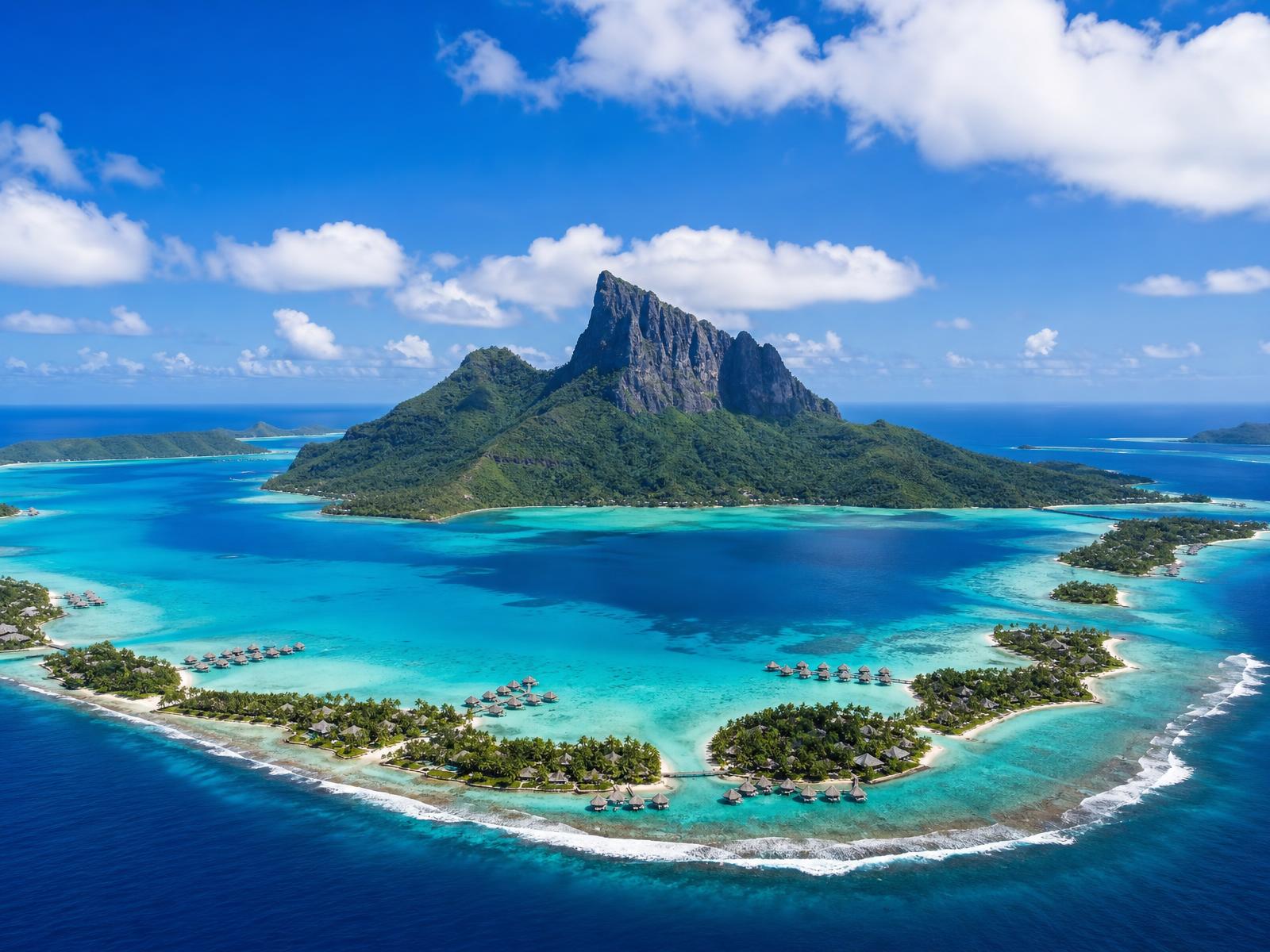
French Polynesia and Fiji are frequently mentioned in the same breath and deliver very different trips. French Polynesia is the postcard: Bora Bora and Moorea's volcanic peaks, overwater villas, black pearls, and the Tuamotu atolls for divers, with private-island properties at the far end of the exclusivity scale. Fiji is warmer in its welcome and easier with children: the Mamanucas and Yasawas, a genuinely hospitable island culture, and resorts built around families or around adults only, rarely both. Both benefit from being combined thoughtfully with Australia or New Zealand on one long-haul ticket. We choose the island, the resort, and the room category deliberately, because in this part of the world those three decisions are the trip.
Not Sure Which of These Is Your Next Trip?
That’s usually where the best conversations start. Tell us what you’ve been imagining and we’ll tell you honestly where and when it works best.
Frequently Asked Questions
How far in advance should I plan a luxury safari or expedition cruise?
For safaris, expedition cruises, and small-ship voyages, 9–18 months out is common, sometimes further for Antarctica, gorilla permits, or peak-season migration camps. The best cabins, guides, and camp locations book earliest, and those choices shape the experience more than the destination itself. Shorter windows are workable, but options narrow quickly.
What's the difference between an expedition cruise and a small ship cruise?
Small ship cruising takes you to harbors regular ships can't reach, such as Greek islands and Mediterranean coves, with a few hundred guests and no reservation strategy for dinner. Expedition cruising goes further: Antarctica, the Arctic, the Galápagos. The ship carries naturalists, ice pilots, and Zodiacs, and the itinerary is written by ice and wildlife rather than a port schedule.
How do I know which safari camp, river cruise ship, or expedition vessel is right for me?
The differences that matter don't appear in brochures. Camp location determines what wildlife you actually see. River ship size determines which moorings you can use and how quickly you get ashore. Expedition ship ice class determines where you can go. We've stayed in the rooms, met the guides, and know which specific choices change the trip.
When is the best time to visit destinations like Africa, Iceland, or Antarctica?
There's no single best time; there are windows for what you want to see. Great Migration river crossings peak July through September in the Masai Mara. Iceland's Northern Lights need dark winter; puffins and highland roads need summer. Antarctica runs November through March. Wrong timing doesn't ruin a trip, but it changes what's possible.
Can I combine destinations in one trip, such as safari with beach or Australia with the South Pacific?
Yes, and often it's the smarter way to travel. Safaris pair naturally with beach extensions in Zanzibar or Mozambique. Australia and New Zealand combine well with Fiji or French Polynesia on one long-haul ticket. We build these transitions so the trip has rhythm, active weeks followed by recovery, rather than back-to-back exhaustion.